Columbus IT Risk Assessment & Mitigation Services
Stronger Security. More Peace of Mind.

IT Risk Assessment and Mitigation: Why Leadership Can’t Afford to Ignore It
Technology risk has become one of the most significant operational
risks facing organizations today. What was once considered an IT department
issue now directly affects financial performance, regulatory exposure,
operational continuity, and organizational reputation.
When systems fail, the impact quickly spreads across the business.
Production slows or stops. Customer services are disrupted. Sensitive data may
be exposed. Compliance questions arise. Increasingly, those questions are
directed at executive leadership.
For CEOs, CFOs, and operations leaders in Columbus and Central
Ohio, the challenge is clear: technology environments are complex, constantly
evolving, and often difficult to evaluate without the right structure in place.
This is why many organizations are adopting a more disciplined approach
to IT risk assessment and mitigation—treating cybersecurity and
technology oversight as part of overall business risk management.
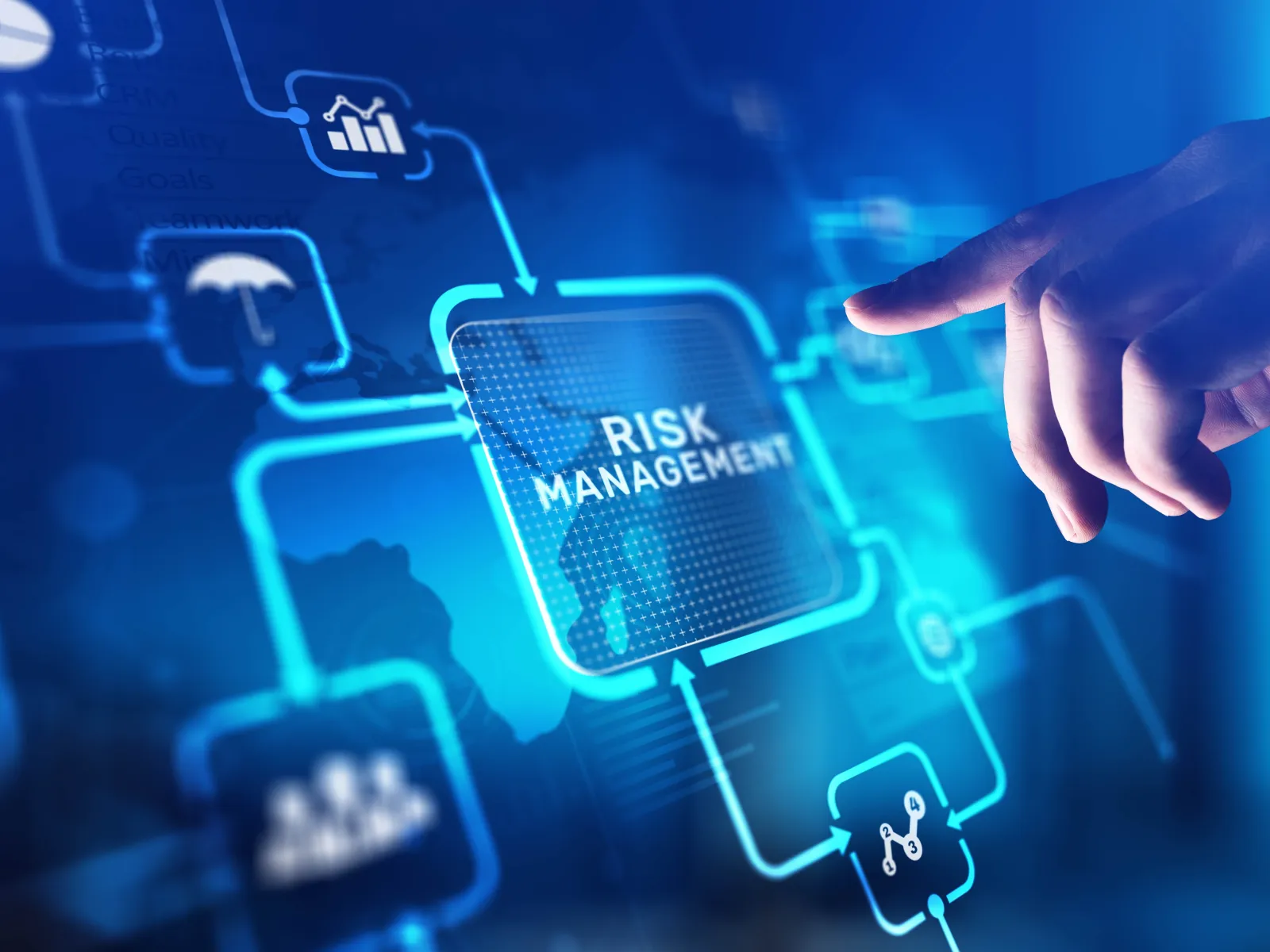
Understanding Where Technology Risk Lives
Many organizations invest heavily in cybersecurity tools but still struggle to understand their true exposure. Firewalls, endpoint protection, and monitoring systems may be installed, yet configuration gaps, outdated systems, or overlooked vulnerabilities can still create significant risk.
An effective IT risk assessment provides
leadership with clarity about the real condition of their technology
environment. Instead of relying on assumptions, leadership gains visibility
into issues such as:
- Security
configuration gaps
- Outdated
or unpatched systems
- Weak
access controls
- Vendor
access risks
- Backup
and recovery vulnerabilities
- Areas
where monitoring or oversight is inconsistent
The goal is not simply to identify technical problems. A meaningful risk assessment translates those findings into business impact, helping leadership prioritize mitigation efforts that protect operations and reduce exposure.
From Risk Assessment to Real Protection - We Help You Act, Not Just Analyze
CyberWatch: Identifying
Vulnerabilities Before They Become Incidents
One of the most effective ways to understand technology risk is
through an independent cybersecurity evaluation.
CyberWatch provides organizations with a structured assessment of their
cybersecurity posture. The process evaluates systems, security controls, and
operational practices to identify vulnerabilities that may otherwise remain
unnoticed.
CyberWatch assessments commonly reveal issues such as:
- Misconfigured
security tools
- Missing
or delayed system patches
- Excessive
administrative access
- Gaps in
monitoring or logging
- Weak
password or authentication practices
For executive leadership, the value lies in objective visibility.
Rather than guessing where the organization may be vulnerable, CyberWatch delivers a clear evaluation
of current conditions and highlights where improvements will have the greatest
impact on risk reduction.
This proactive approach helps organizations correct issues before
they lead to cybersecurity incidents, operational disruptions, or compliance
concerns.
Liability-Guard: Strengthening Governance and Operational Discipline
Identifying vulnerabilities is only part of the risk management
process. Organizations must also demonstrate that cybersecurity programs are
actively managed, documented, and maintained over time.
Liability-Guard addresses this governance challenge.
Liability-Guard focuses on the policies, procedures, and
operational oversight required to maintain a strong cybersecurity posture. This
includes areas such as:
- Cybersecurity
policy development and maintenance
- Incident
response planning
- Security
awareness training
- Documentation
of cybersecurity controls
- Alignment
with regulatory and insurance expectations
These elements are increasingly important as regulators, cyber
insurance providers, and business partners expect organizations to demonstrate
how cybersecurity risks are being managed.
Liability-Guard helps organizations build the operational
structure needed to meet those expectations while ensuring that cybersecurity
programs remain active and effective.
Building a Proactive Risk Management Framework
CyberWatch and Liability-Guard work together to form a practical
framework for IT risk assessment and mitigation.
CyberWatch identifies technical vulnerabilities and operational
weaknesses. Liability-Guard ensures the organization has the governance,
documentation, and operational discipline required to manage those risks
consistently.
Together, these tools help organizations move away from reactive
technology management and toward a proactive model focused on prevention,
oversight, and accountability.
For executive leadership, that shift matters. It means fewer
operational surprises, stronger cybersecurity resilience, and greater
confidence that technology risks are being managed responsibly.
In today's environment, effective IT risk management is no longer
optional. Organizations that take a proactive approach are better positioned to
protect operations, maintain regulatory compliance, and safeguard the trust of
customers and stakeholders.


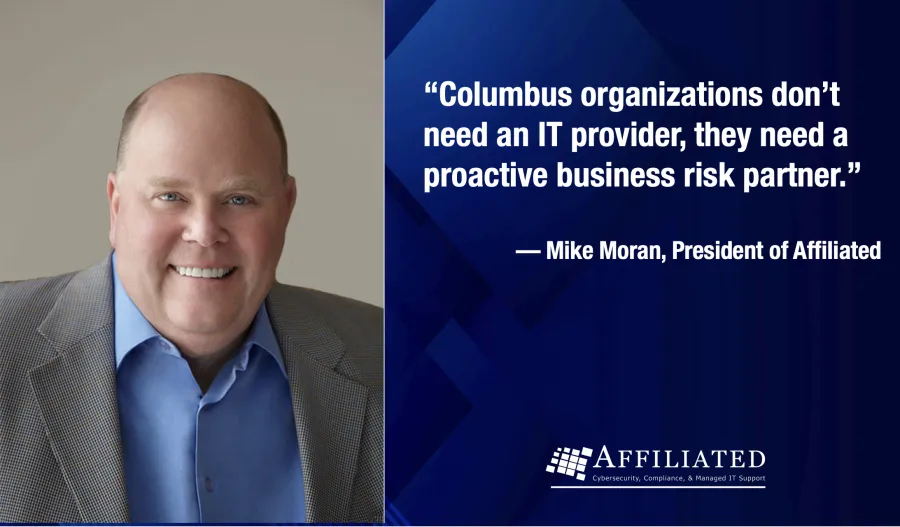
How an IT Services Firm is Elevating Next-Level Business Risk Management in Columbus, Ohio
IT Support Services and Solutions
At Affiliated Resource Group, we stabilize systems, increase reliability, and ensure consistent day-to-day performance through proactive support and real-time monitoring.

Cybersecurity Services

Compliance & Audit Readiness

Co-Managed IT Support

HIPAA Compliance
We help healthcare organizations achieve and maintain full HIPAA compliance with tailored assessments, documentation, training, and ongoing monitoring.

Microsoft Oversight & Optimization
Ensure licensing accuracy, cost control, and secure configurations so your Microsoft environment supports—not exposes—the business.

IT Risk Assessment & Mitigation

Aligned AI™
Governance Platform
Frequently Asked Questions (FAQs)
What is an IT risk assessment?
An IT risk assessment is a structured evaluation of your organization's technology environment to identify cybersecurity vulnerabilities, operational weaknesses, compliance gaps, and risks that could disrupt the business. The goal is to understand where your organization is exposed and prioritize actions that reduce risk before an incident occurs.
Why is an IT risk assessment important for business leaders?
An IT risk assessment helps CEOs, CFOs, and executive teams understand how technology risks could impact operations, financial performance, compliance, and customer trust. It provides the visibility needed to make informed business decisions instead of reacting after a cybersecurity incident or system failure.
How often should a business perform an IT risk assessment?
Most organizations in Columbus or the Central Ohio region should complete a formal IT risk assessment at least annually. Additional assessments are recommended after significant technology changes, mergers, cloud migrations, leadership transitions, or changes in cyber insurance or regulatory requirements.
What does an IT risk assessment include?
A comprehensive IT risk assessment typically reviews:
- Network and endpoint security
- User access and permissions
- Backup and disaster recovery readiness
- Patch management
- Cloud security configurations
- Vulnerability management
- Compliance requirements
- Third-party and vendor risks
The findings are prioritized based on business impact rather than technical severity alone.
What is the difference between an IT risk assessment and a vulnerability scan?
A vulnerability scan identifies known technical weaknesses in systems and software. An IT risk assessment goes much further by evaluating security controls, policies, user access, cloud configurations, operational processes, and compliance obligations to understand the organization's overall risk posture.
How does an IT risk assessment support cyber insurance and compliance?
Many cyber insurance providers, customers, and regulatory agencies expect organizations to demonstrate that cybersecurity risks are actively managed. A formal IT risk assessment provides documented evidence of due diligence and helps identify gaps that could affect insurance coverage, compliance, or customer security requirements.
What happens after an IT risk assessment is completed?
A quality assessment should result in a prioritized remediation plan, not simply a list of technical findings. Organizations should receive clear recommendations, business-based priorities, timelines, and ongoing guidance to reduce risk and continuously improve their cybersecurity posture.
Why choose Affiliated for IT risk assessment and mitigation?
Affiliated, located in Columbus, Ohio, approaches IT risk assessment as part of a broader business risk management strategy. Rather than identifying vulnerabilities alone, we help organizations understand their business impact, prioritize remediation, strengthen cybersecurity governance, support insurance and compliance requirements, and reduce the likelihood of operational disruption through ongoing risk management services like CyberWatch™ and Liability-Guard™.